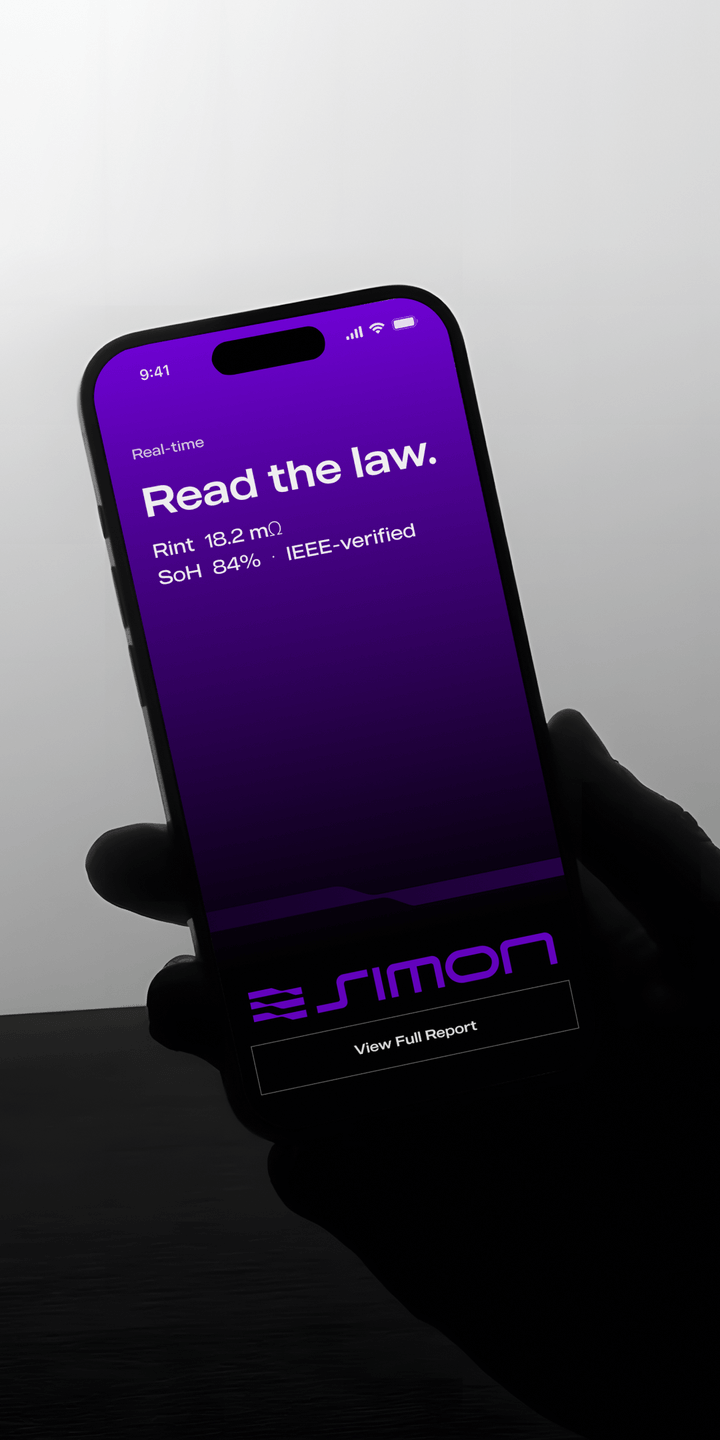
Read the law. Write the next.

Born in history. Written in data.

Simon measures what voltage cannot.

Internal resistance extracted from real vehicles on real roads
— the only signal that tells the truth about a battery cell.

No lab. No controlled conditions. No approximations.

Our technology
does not begin with us.

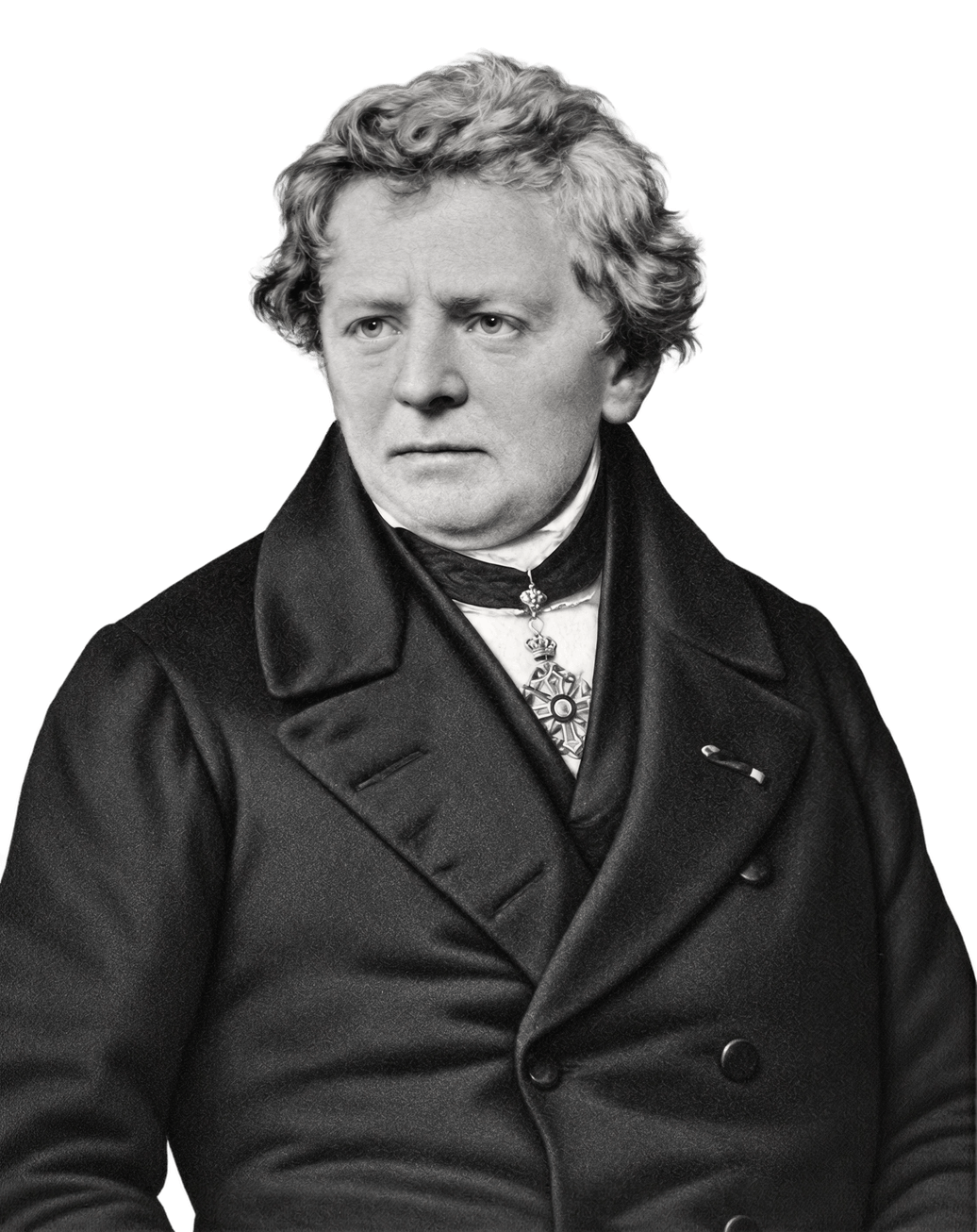
The physics was written 200 years before we were founded. We are the next chapter in a book that started with a high school teacher in Cologne who was told he was wrong.

Georg Simon Ohm
Michael Faraday

Georg Simon Ohm

Defined resistance. V = IR.

A high school physics teacher in Cologne. No institutional backing. The Royal Society of Berlin rejected his work. His colleagues called it "a tissue of naked fantasies." He lost his teaching position. He was not wrong. Ohm's Law now underlies every circuit in every device on earth.

Michael Faraday

Discovered electromagnetic induction. Moved electrochemistry forward.

Self-educated. No university degree. Turned abstract electromagnetic theory into practical science, and then translated that science into language anyone could understand. The first to demonstrate that chemistry and electricity were the same phenomenon.

Simon · Fara · Hans Network

Hans Network builds Simon — a hardware-data system that extracts internal resistance (Rint = −ΔV / ΔI) from the natural acceleration events of daily driving. No laboratory. No controlled conditions. No approximations. The measurement Ohm described in 1827, read for the first time from a moving vehicle.

From one measurement, two services emerge.

Simon is built for fleet operators, battery asset managers, insurance underwriters, and institutional partners — organizations that make decisions about EVs at scale. It delivers peer-reviewed, auditable Rint data: measurement that holds under regulatory scrutiny, financial due diligence, and engineering review.

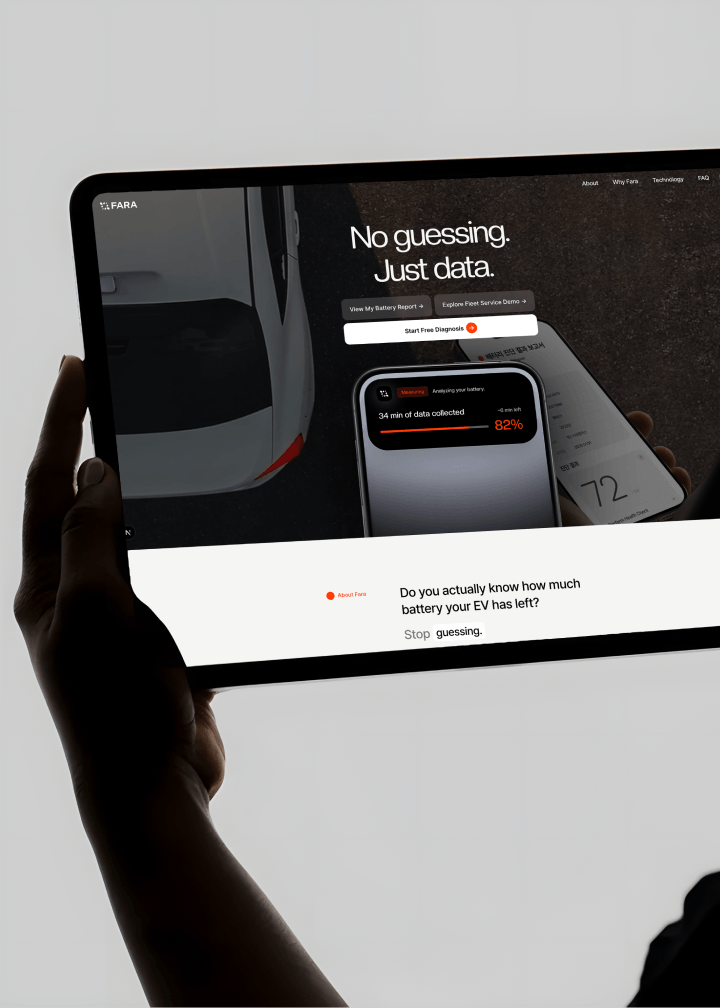
Fara is built for the individual. The person who owns one electric vehicle and wants to know, plainly, what is actually happening inside their battery. Not a score. Not a color-coded indicator. The same measurement, made personal and clear.

The same technology. Two audiences. One lineage.

The measurement arrives on the road.
Nearly two hundred years after Ohm defined resistance,
the equation is finally applied where it matters most:
inside a real electric vehicle battery, in motion, on a real road.

A hand holding a clear card with the Simon symbol.
A hall screen announcing a Simon webinar on EV battery risk.
A Simon business card on a black background.
A person in silhouette under the Simon logo.
Lit windows of a building at night, tinted purple.

For twenty years,
the EV industry measured
battery health with voltage.

Voltage is easy to measure. It is not honest.
A cell at 4.1V may be perfectly healthy. A cell at 4.1V may be in the final stages of degradation. Open circuit voltage cannot tell the difference — because it was never designed to.

The industry built its entire infrastructure on this measurement:

  • Fleet maintenance schedules
  • Battery asset valuations
  • Insurance underwriting
  • Warranty terms
  • Regulatory reporting

None of it was built on bad intention.

It was built on the best measurement available at the time.

The best measurement available was wrong.

The problem was not that the data was imprecise.

The problem was that no one had ever measured anything more honest.

Rint = −ΔV / ΔI

Internal resistance does not lie.

Internal resistance is the electrochemical signature of a battery cell.
It changes as the cell ages, as temperature shifts, as cycles accumulate.
It captures what voltage cannot: the actual state of the electrode interface under real operating conditions.

  1. Hardware /Engineering

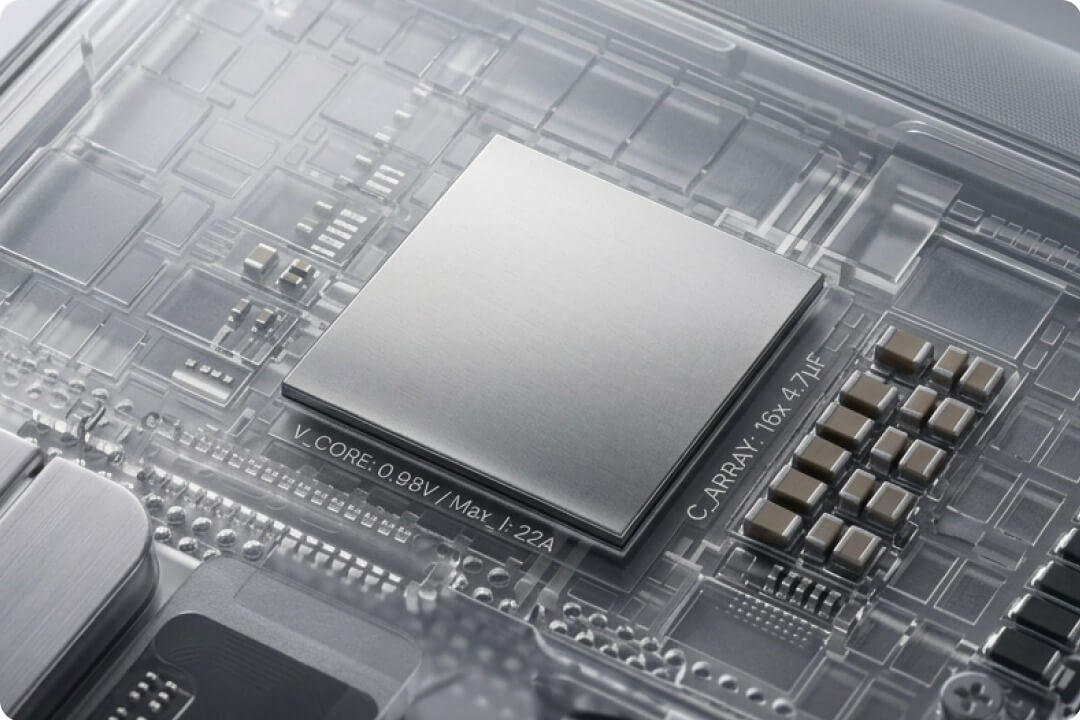
    A precision terminal device — designed and manufactured by our hardware engineering team — installs on any commercial EV. It captures voltage and current fluctuations during standard acceleration events. No vehicle modification. No interruption to operations.

    These are not off-the-shelf OBD dongles. They are instruments built to the tolerances the measurement requires.

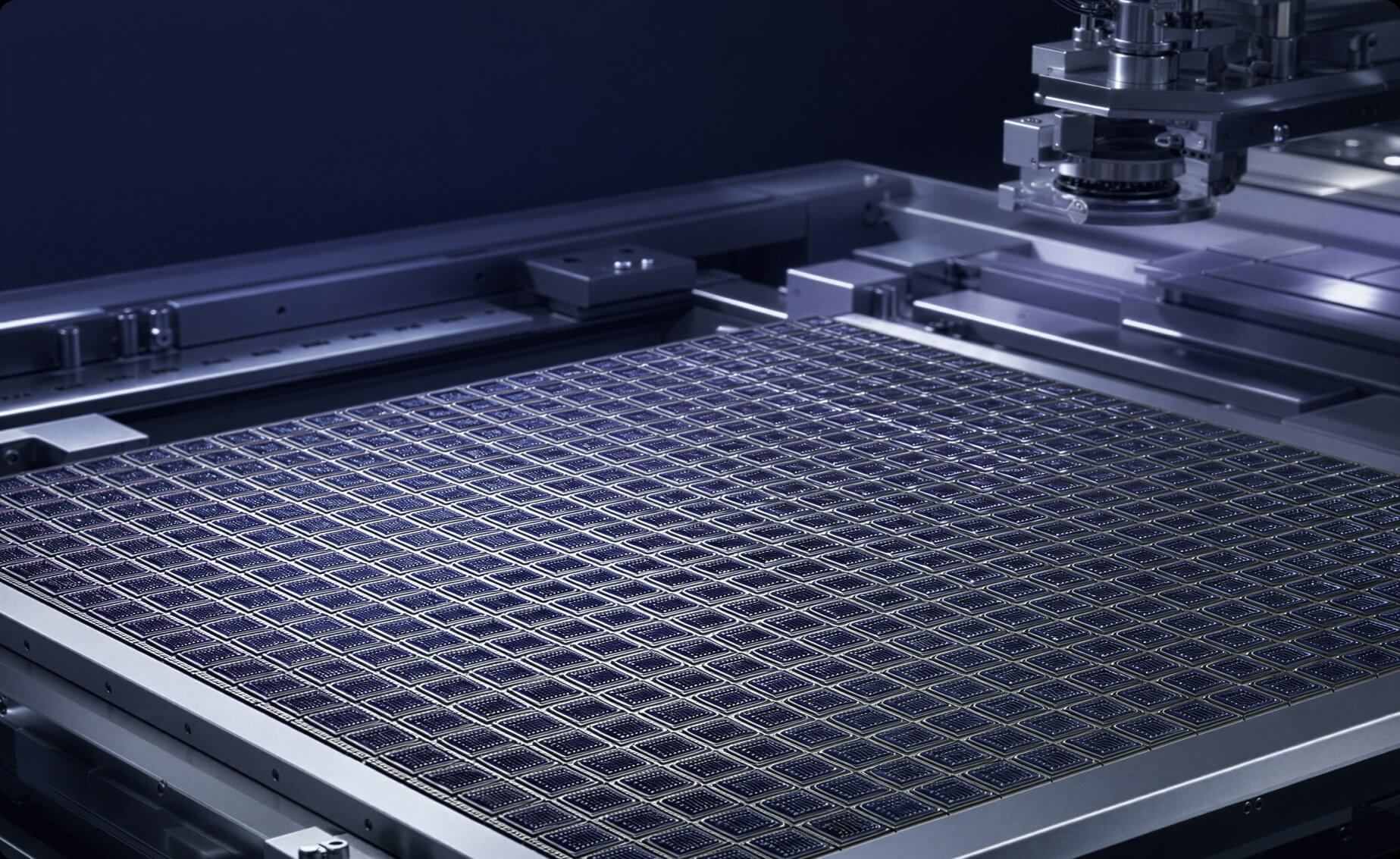
    A processor chip on a see-through circuit board.
  2. Data /Collection

    Every acceleration event is a measurement opportunity. Raw Rint signals are captured continuously and transmitted to our data infrastructure. The longer the collection window, the more precise the picture of each cell's degradation trajectory.

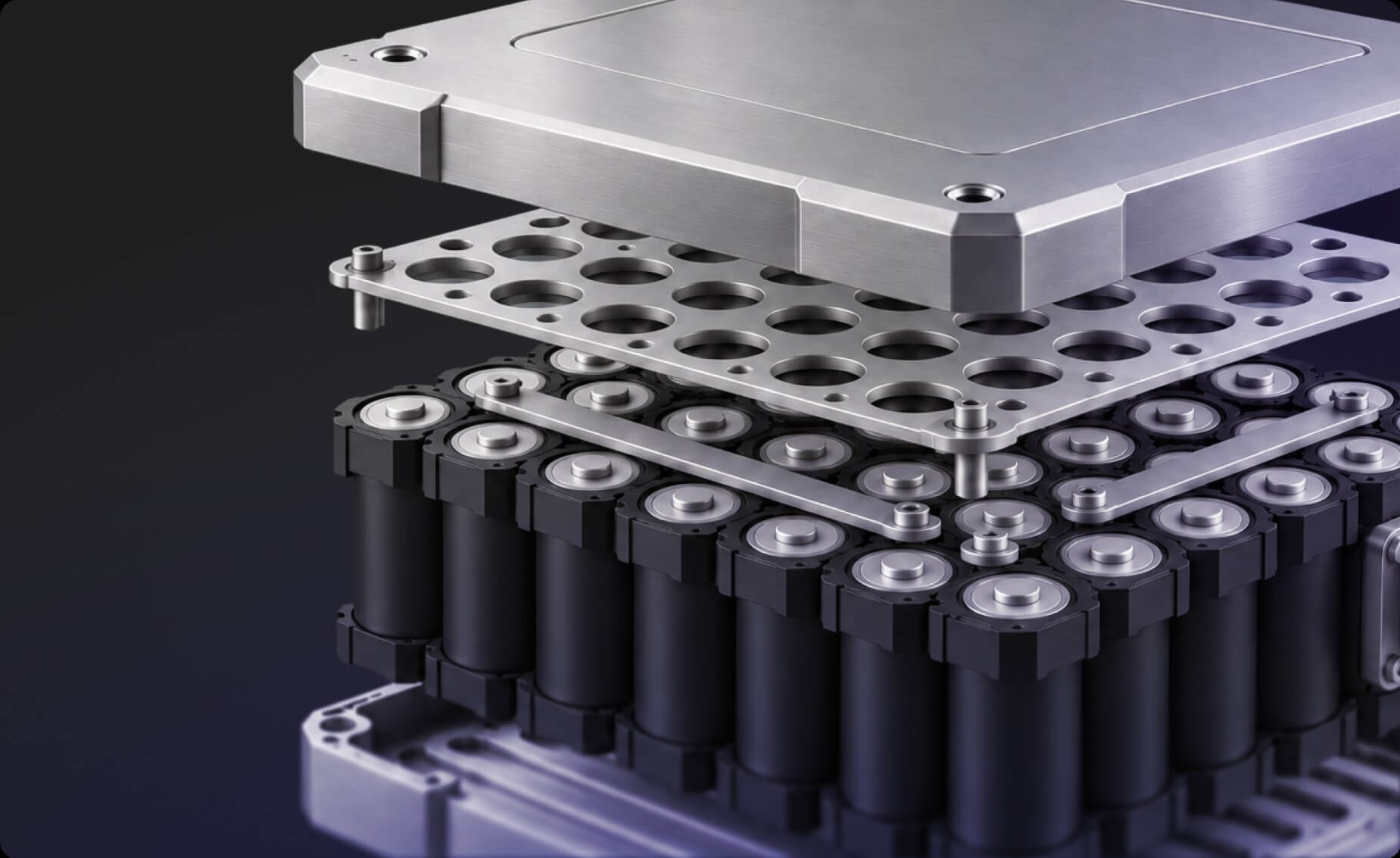
    Rows of battery cells in a clear casing.
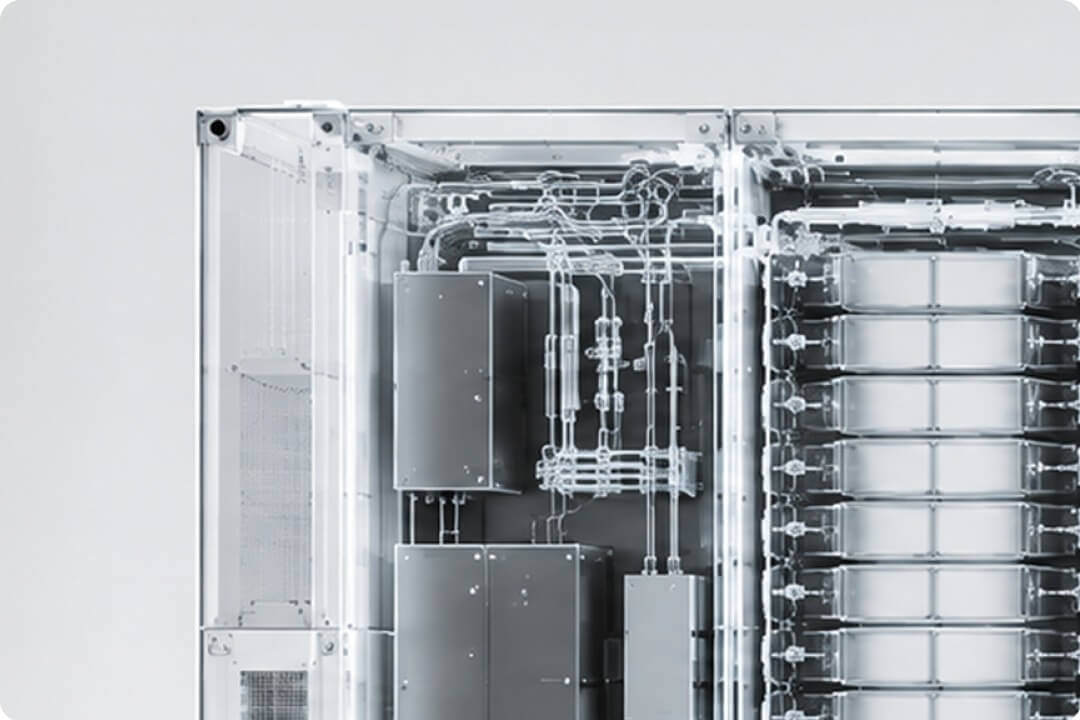
  3. Data /Analysis

    Our data science team applies the Arrhenius normalization model to temperature-correct every reading to a 25°C standard reference. What you receive is not a score. It is a measurement — cell-level Rint values, normalized, traceable, and documented for regulatory or institutional use.

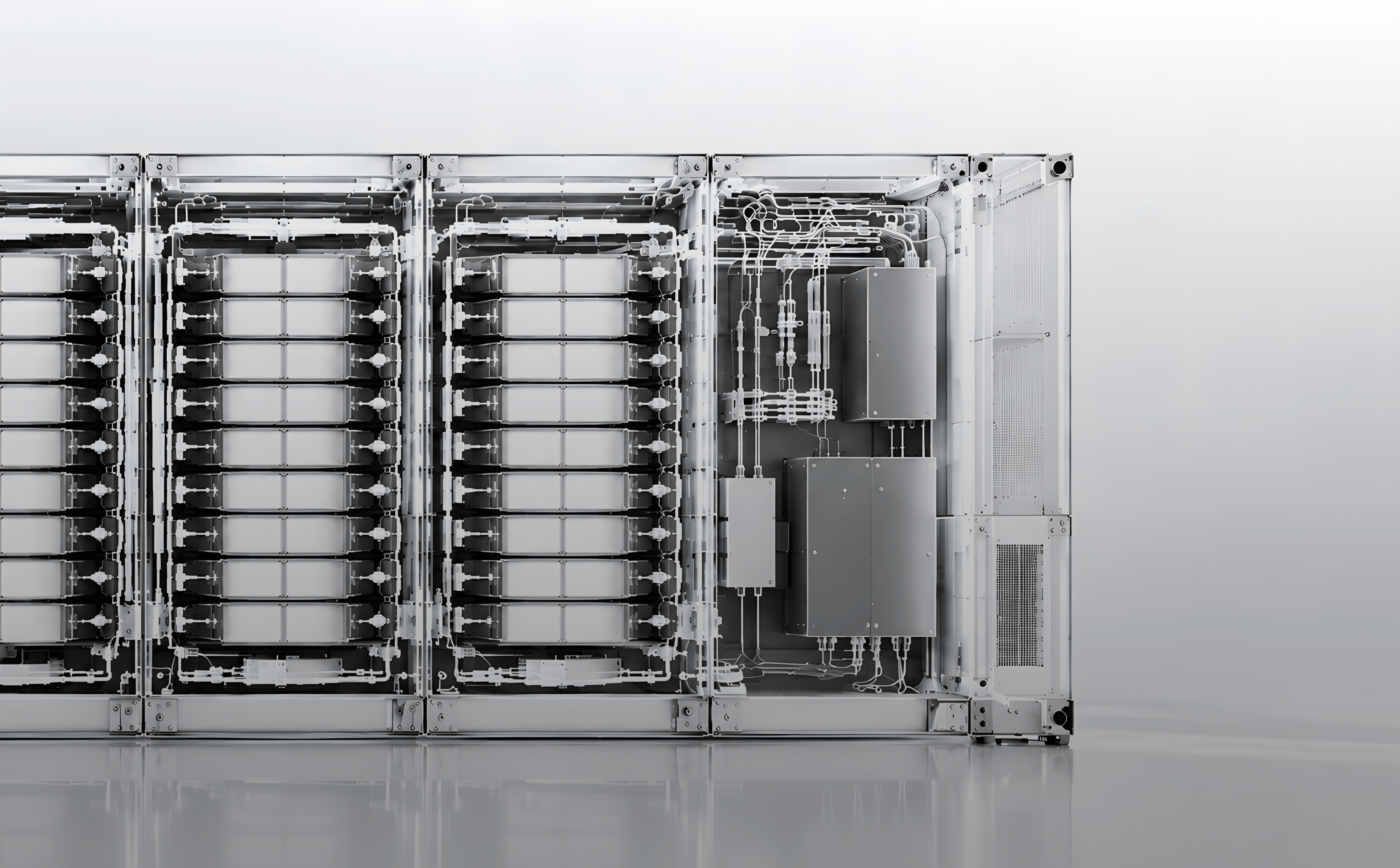
    A see-through cabinet of data equipment and cables.

Validation Data

Acceleration events analyzed
339,866
Collection period
17 months
CV reduction vs. baseline measurement
65%
Vehicles in pilot dataset
21
Activation energy (Ea) data points
2,334K
Variance from laboratory-controlled agreement
0.2%
A hand holding a black folder marked simon.

This is not a white paper. It is not a marketing document.

It is a peer-reviewed publication in IEEE Transactions on
Transportation Electrification — the most cited journal in the field.

The methodology is open. The data is in the paper.
The mathematics is available for verification by anyone
who needs to understand what Simon measures,
how we measure it, and what the numbers mean.

  • "Event-based Internal Resistance Estimation
    for EV Battery State of Health Using Real-World
    Driving Data"

    IEEE Transactions on Transportation Electrification · October 2026

    →Read the paper
  • ※ (Example) Forthcoming in IEEE Transactions on Transportation Electrification
  • ※ (Example) Forthcoming in IEEE Transactions on Transportation Electrification

Built for people
who need
the measurement,
not a score.

Rows of battery cells seen from above.

Fleet Management

If you operate a commercial EV fleet and you need to know — not estimate — which vehicles require maintenance, which batteries have years of life remaining, and which assets should be rotated out of service: Simon was built for this decision.

Real Rint readings. Cell-level. Continuous. No lab visit required.

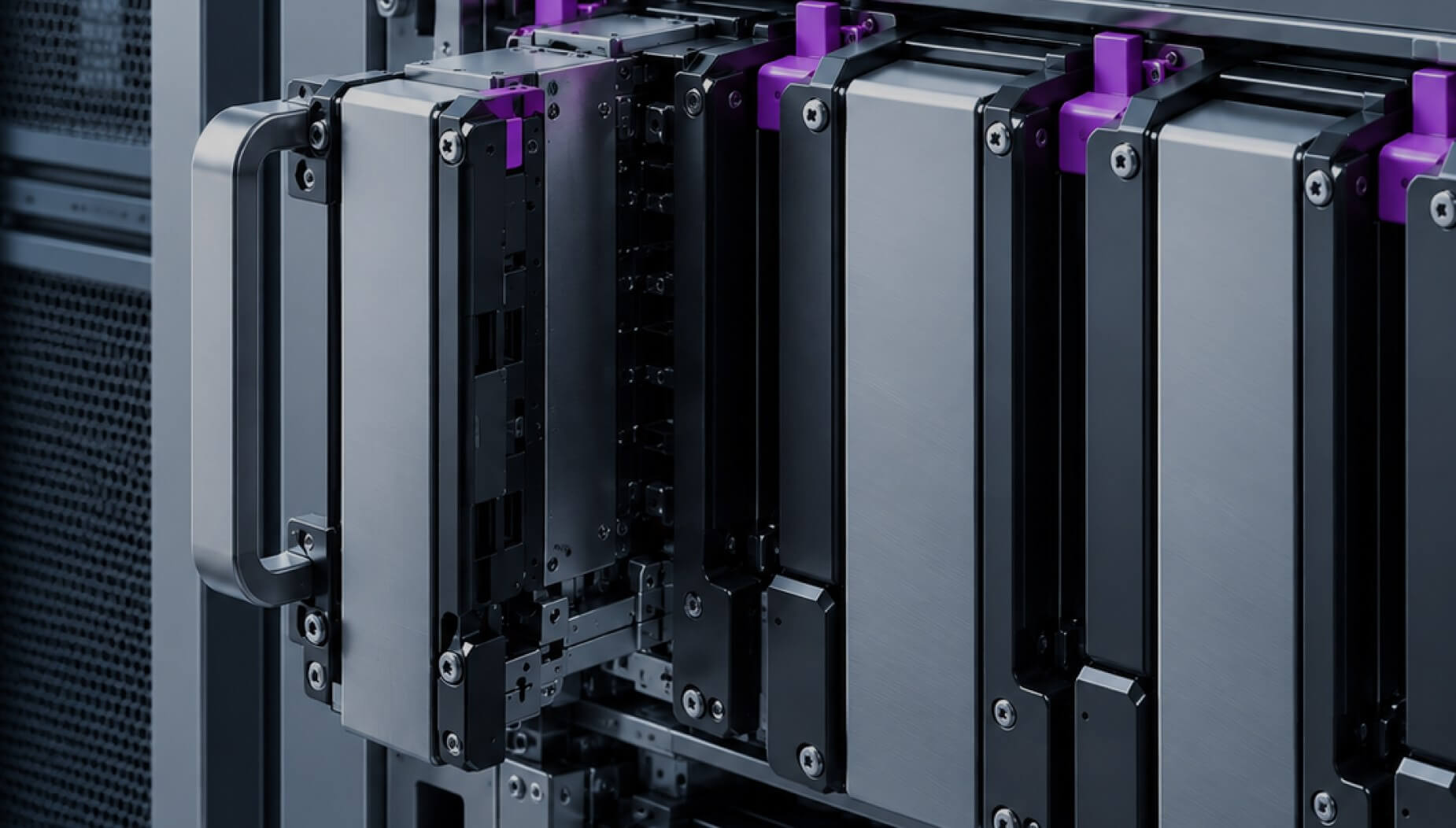
Battery modules with purple latches in a rack.

Battery Asset Valuation

If you buy, sell, finance, or insure EV battery assets and you need defensible, auditable data for pricing and risk assessment: the internal resistance measurement is the only signal that holds up under institutional scrutiny.

Voltage-based valuations are guesses. Simon measurements are evidence.

A glass EU Battery Passport tile lit in purple.

EU Battery Passport

The EU Battery Regulation mandates traceable, auditable battery state-of-health data from 2027. Simon's measurement methodology produces data at the standard regulatory filings, insurance contracts, and published papers require — because it already appears in one.

The IEEE paper is your starting point for compliance documentation.

If you need a battery health score with a friendly interface and customer support hours —this is not for you.

If you need to know what is actually happening inside a battery cell under real operating conditions:you are in the right place.

A person seen from behind wearing a jacket with the Simon logo.

From installation
to insight.

Simon operates as a data partnership. We bring the hardware, the data infrastructure, and the analysis. You bring the vehicles and the operational context.

  1. 01 Install

    A Simon terminal is installed on each vehicle in your fleet. Installation does not require vehicle modification and does not interrupt operations. The device captures Rint signals passively from normal driving.

  2. 02 Collect

    Every acceleration event produces a Rint reading. Data transmits continuously. The longer the collection window, the more complete the picture of each battery's degradation curve over real operating conditions.

  3. 03 Receive

    You receive structured Rint analysis: temperature-normalized cell-level readings, degradation trajectory, and output formatted for integration into fleet management systems, asset valuation models, or regulatory documentation.

We do not offer a self-service portal. We do not sell subscriptions to a dashboard. We partner with organizations that need data that holds up — and we build the measurement pipeline together.

Read the law. Write the next.

Three disciplines.
One measurement.

Simon is built on the convergence of three engineering domains that rarely sit in the same room. Hardware. Data. Service. Each is a distinct discipline. Together, they produce the measurement.

The same
measurement.
For your car.

Simon is built for fleet operators and institutional partners who need cell-level battery data at scale.

If you own or are buying an individual EV — and you want to know what the battery is actually doing, not what the dashboard tells you — Fara gives you access to the same internal resistance measurement, designed for a single vehicle.

→Go to Fara
simon